The build up to the U-20 Women’s World Cup in Poland has been far from normal. The tournament, which would usually be much more under the radar, became the centre of a boycott and battle between two football governance powerhouses in Fifa and Uefa.
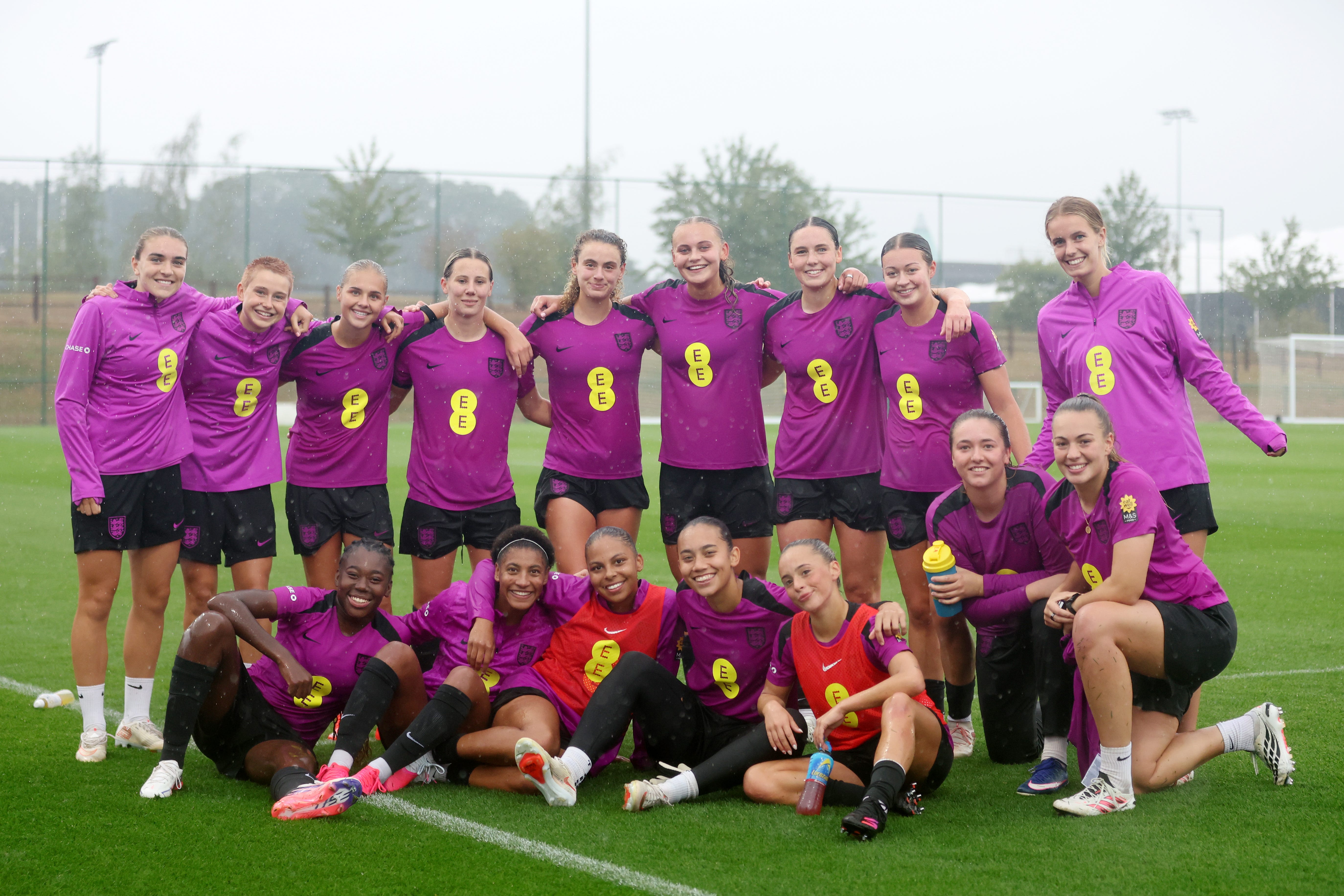
After fears that Uefa-governed federations may miss the competition all together, the tournament finally kicks off in Poland this weekend. England reached the semi-finals in 2018 but have failed to qualify for the last two tournaments. This squad brings plenty of WSL experience. Could this finally be England’s year?
Getting here hasn’t been simple.
What should have been a straightforward build-up and an exciting time for players and staff became a political headache.
In July, it was revealed that Fifa president Gianni Infantino had drawn up plans to sell off a stake in Fifa’s commercial and ticketing rights for all men’s and women’s World Cups to private investors. The controversial plan would see all of Fifa’s 211 member associations receiving $40m (£30m) in exchange for supporting the proposal.
Uefa was the first confederation to reject the idea and the governing body went one step further, saying it would boycott all upcoming Fifa tournaments, including the U-20 Women’s World Cup. Infantino eventually scrapped the plans, but the debate has rolled on as Uefa has continued to call for Infantino’s resignation.
Tournament hosts Poland remained prepared to deliver the tournament but some players, including England star Lucy Bronze backed a boycott, saying it was “for the good of the game” and future generations.
England U-20 manager Lydia Bedford’s plan never changed. She prepared training camps and shut out the noise as best she could, and said that communication from England’s FA was clear throughout August.
“I had really good, consistent communication from FA leadership to basically say: you ignore it, keep the group on track, keep the staff on track, just carry on as usual,” Bedford said.
The tournament is now kicking off as normal, after Uefa dropped its boycott, but the European football federation remains committed to removing Infantino as Fifa president.
All six European teams are competing as planned, the politics have now been pushed aside, for now, and all focus now turns to the football – which Bedford feels could actually benefit from the furore that has preceded it.
“I think any attention for these young players is good attention. The world knows that this tournament’s happening, and hopefully that will really drive attendance at the games, people logging on and watching it online. It is going to be massive for our players in terms of that support.”
The tournament runs from 5 to 27 September, hosted across four Polish cities: Łódź, Bielsko-Biała, Katowice and Sosnowiec.
England kick off their tournament against Canada on Saturday 5 September (7pm GMT), they will then face Tanzania on Tuesday 8 September (7pm GMT), before closing the group against Brazil on Friday 11 September (3pm GMT).
Why is the U-20 Women’s World Cup important?
The U-20 World Cup is the pinnacle of the women’s youth game, and teams that do well here often go on to dominate at senior level. Spain won the U-20 title in 2022, then the senior World Cup the following year with several of the same players. USWNT manager Emma Hayes recently told ESPN she believes it is “the biggest platform for young players to play in” and said she and her staff will be watching, scouting, and expecting others to do the same.
Since the inaugural tournament in 2002, some of the world’s best players such as Marta, Alex Morgan and Aitana Bonmatí have taken part, along with more recent stars like Salma Paralluelo, Olivia Smith and Alyssa Thompson.
England players to keep an eye on
England have lost some experienced and talented players who haven’t been released by clubs as a result of the tournament’s timing in the calendar. Many teams have kept hold of players who are recovering from injuries or are needed in matches in the NWSL, or at the start of seasons across Europe.
Chelsea’s Lexi Potter, San Diego Wave’s Laila Harbert and North Carolina Courage’s Erica Meg Parkinson will all miss the tournament.
Chloe Sarwie, 17, is a left-back tipped by some as the future of England. She’s been at Chelsea since she was eight, made her Champions League debut against FC Twente in February 2026, and played a big part in England U-23’s European Competition victory earlier this year.
Jessie Gale, 20, is a striker on loan at Newcastle from Arsenal. Last season brought two loan spells — five goals in 15 games at Portsmouth, then four in 12 at Bristol City. Skilful and pacey, she’s already made four appearances for the England U-23s.
Katie Cox, 20, has been part of Chelsea’s academy since she was eight. Cox is still developing as a player, and will be spending the 2026-27 season on loan with Nottingham Forest in WSL2, but its clear that Chelsea have high hopes for her to be a future number one. A talented basketball player as well as footballer, Cox has played at every England age group from Under 16 to Under 20.
Who stands in their way?
England face Canada, Tanzania and Brazil in their group, which should represent three very different tests. Bedford acknowledges that Tanzania shouldn’t be overlooked, given how many players in that squad are coming off the back of major tournament experience at this summer’s Women’s Africa Cup of Nations.
Regardless, the former Leicester City boss believes her side are well prepared given the number of training camps laid on to get ready for the tournament.
“It’s been a long summer with loads of preparation camps, so it just feels really nice to finally be here,” Bedford said. “I think at one point I felt like all I was preparing was preparation camps, so to step onto the turf in Poland a few days ago just feels like you can finally now focus on the real thing.”
She continued: “By the time we get to the World Cup, we’ll have played four non-European opponents since June, and that puts us in a really positive place.”
England have played nine fixtures in the build-up, including draws with the US and Colombia, and convincing wins over Portugal and New Caledonia.
Can they go all the way?
Beyond a tough group, it doesn’t get any easier. Spain, the US, Japan and holders North Korea are all strong contenders.
England’s best finish remains their third-placed finish in 2018, when a semi-final loss to Japan was followed by a shootout win over France for third. Several players from that squad, including Lauren Hemp and Alessia Russo, went on to reach the senior World Cup final in 2023.
Bedford’s group have talent, togetherness, and real experience of playing at a high level. Whether that’s enough to go further than any England side before them, we’ll find out.


