The European women’s football season has begun after a summer of off-pitch deals that showed the sport is maturing at an almost unmanageable pace for its stakeholders.
From transfers, to investments, to collective bargaining agreements, here’s your wrap-up of a summer that has changed the game.
An unprecedented summer of spending
Women’s football smashed its global transfer spending record during this transfer window just gone, more than doubling last summer’s outlay. Fifa recorded 1,406 international transfers between 1 June and 2 September, representing about 20% more moves than the previous record for a summer window.
However, total spending rose by over 100%, with a total of $28.6m spent on players – an indication that women’s football is now a long way away from the free-agent market it once was.
English clubs spent $8m, which unsurprisingly was more than any other country. Tottenham broke their transfer record to sign Signe Gaupset and then broke it again for Alice Sombath. Chelsea paid around £850,000 for Manchester United forward Melvine Malard, while Manchester City topped the charts for money received, pocketing around €1.2m from Barcelona for Brazilian forward Kerolin, which City described as a record transfer fee received by a Women’s Super League club.
Overall, the WSL’s biggest spenders were London City Lionesses. You’re probably bored of hearing about it by now, so let’s wrap this up as quickly as possible.
London City Lionesses owner Michele Kang went full Galácticos this summer, acquiring:
Alexia Putellas (free)
Mapi León (free)
Mary Earps (free)
Nicole Anyomi (free)
Kadidiatou Diani (€800,000, according to L’Equipe)
Rosa Kafaji (undisclosed fee)
Daniela Arques (undisclosed fee)
Janni Thomsen (undisclosed fee).
These eight new signings will join London City’s existing cast of stars. Grace Geyoro was signed for around £1m from PSG last summer, while Danielle van de Donk, Saki Kumagai and Kosovare Asllani will all be contributing to the wage bill.
London City’s spending will have WSL bean-counters leaning forward in their chairs. The league restricts salary spending to 80 per cent of annual turnover, with clubs allowed additional owner funding of up to £4m or 25 per cent of revenue, whichever is higher.
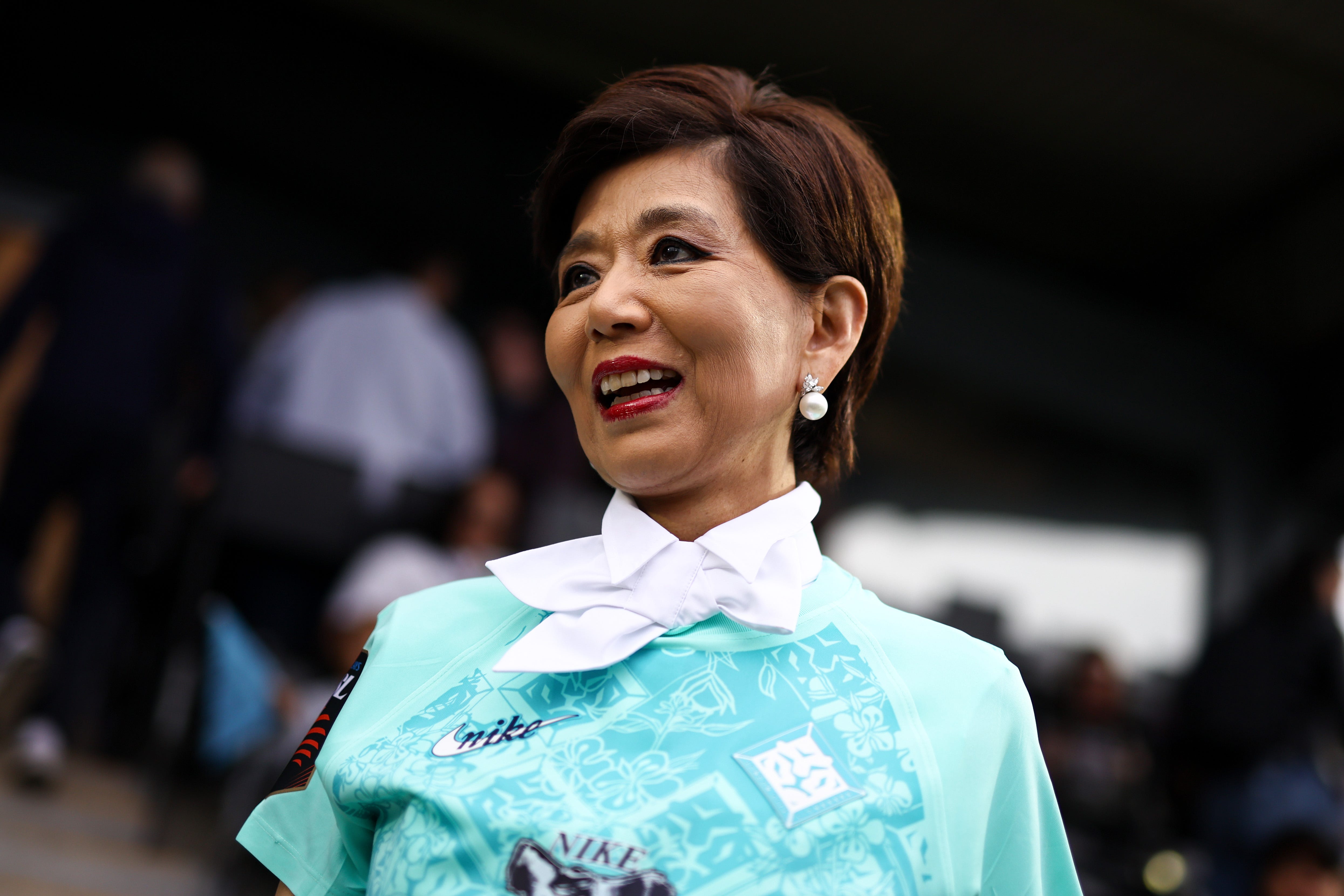
London City lost over £10m in one year during their promotion campaign up from WSL 2 in 2024-25, earning revenue of under a million pounds. That revenue will be considerably higher now that they are a WSL club, and Kang has claimed that London City’s new sponsorship and kit supply deal with Nike is worth “more than some Premier League deals”, presumably referencing agreements struck by the likes of Ipswich, Coventry and Hull.
For London City’s sake, that had better be true. The WSL can impose sporting sanctions where a breach is understood to create a material sporting or financial advantage. Kang has assembled one of the league’s most expensive squads before her club has fully established its revenue streams.
We’ll know in a couple of years just how closely Kang has cut her cloth.
Acquisitions and investments gather pace worldwide
A spate of investments and acquisitions in women’s football over the summer, particularly in England, showed that the sector is full of opportunities – and costs.
Sixth Street-backed Bay Collective completed its acquisition of a majority stake in Sunderland Women on 18 June, with Sunderland AFC retaining a minority stake. The group is putting player development – or to read the silent part out loud, player trading – at the centre of the deal, which is timely considering the boom in transfer spending.
Former FA women’s technical director Kay Cossington runs Bay Collective, while the new owners have committed to investing in the Academy of Light, performance facilities and the matchday operation. The north-east has proved to be a talent factory in recent times, with players like Beth Mead, Jill Scott, Steph Houghton and Lucy Bronze coming through Sunderland’s ranks in years gone by.
Women’s football’s other famous multi-club owner, Mercury13, completed two deals in the same month. It bought a majority stake in Bristol City Women on 8 June, with the Lansdown family remaining as minority shareholders, before investing in Liga F’s FC Badalona Women on 30 June. The group already owns Como Women in the Serie A Femminile.
Last, but by no means least, Mercury13 announced its final acquisition of the summer in the form of new chief executive Kerstin Lutz. The group has secured one of the most experienced commercial brains in European football, as Lutz was one of the key figures behind the buildout of the Uefa Champions League’s sponsorship portfolio, spending 23 years at Uefa’s former commercial agency Team Marketing.
At the opposite end of the spectrum, Durham Women and Watford Women both found themselves in need of fresh investment to compete at the professional level. WSL 2 salary and stadium requirements can take a toll on clubs coming up from the National League or, in Durham’s case, independent sports clubs that can’t ask a brother club for money.
Durham were saved by South Shields FC chairman Geoff Thompson’s investment in June, while Watford owners the Pozzo family found a way out of funding their women’s team in 2026-27, agreeing to sell the team to specialist women’s sport investor Pitch15.
Players and leagues are figuring out the cost of professionalisation
As transfer and wage spending rises at the very top of the game, it’s easy to forget that most professional women footballers aren’t doing particularly well for themselves. Player unions are trying to change that state of affairs, while clubs increasingly pursue a top-heavy salary market that drives star-led growth.
A-League players are still without a collective bargaining agreement after a summer of negotiations over a new deal spiralled into a public spat between the union and the league.
The two sides have only a couple of months to find an agreement before the scheduled start of the league season, but there will be some wounds to heal before any pens hit paper. Australia’s player union chief Beau Busch said years of league underperformance had damaged trust, before accusing the APL of announcing its latest offer publicly without giving players enough time to consider it.
Professional Footballers Australia is seeking automatic sanctions against clubs that fail to pay players on time, alongside improved player protections and a new salary cap agreement.
In return, the Australian Professional Leagues has offered a one-year deal that would increase the A-League Women salary cap from A$640,000 to A$900,000 and provide a roadmap towards full-time professionalism. This deal hasn’t been enough to break the deadlock, and negotiations will continue this month.
Unlike the labour disputes and lockouts seen in US sport, this isn’t an argument between the rich and the richer. More than three quarters of A-League Women players described themselves as financially insecure in the PFA’s most recent survey, with 62% of players needing second jobs outside football.
A similar argument is bubbling away in the NWSL. The league’s strict salary cap was in danger of preventing clubs from retaining top US players and attracting stars from Europe, so the league introduced the High Impact Player rule to allow clubs to spend up to $1m above the salary cap on selected players from July.
The NWSL Players Association challenged the measure, arguing that changes to player compensation should be collectively bargained and argued for a larger overall salary cap as a fairer outcome for all players.
Liga F takes €55m and changes its television strategy
Liga F overhauled its business strategy over the summer, steering away from state and league subsidy and putting their faith in the hands of private equity.
The league approved the biggest financial decision in its short history on 29 June when 12 clubs backed a €55m investment led by Pau Gasol’s Gasol16 Ventures and Fortified Partners. The money will arrive over four seasons and according to a statement by Real Madrid, €40m will be divided between the participating clubs, Liga F will receive €12m for its own operations and €3m will be used to acquire player image rights.
If Liga F plays out as a commercial success over the coming 25 years, the cost of that investment will be significant. Real Madrid, Athletic Club and two other teams rejected the agreement, and Madrid explained that Gasol16 and Fortified Partners would receive 49% of future central commercial revenues until the initial investment is paid off, and 35% thereafter until June 2051.
Liga F needed new funding to continue as a top-tier league after several of its existing sources of capital were beginning to run out. LaLiga had provided €32m of financial support over four seasons and was due to contribute another €10m in 2026-27 before Liga F pivoted away. Spanish government professionalisation funding had also come to an end for 2026-27.
The league also left its DAZN broadcast contract a year early to focus on a new free-to-air led TV strategy. DAZN had agreed to pay €35m over five seasons from 2022-23, giving Liga F an average of around €7m per year.
The new arrangement gives half of every matchday free television distribution in Spain, but it also appears to bring in substantially less money than the previous DAZN contract. A report in Spanish newspaper El Confidencial indicated the league could be earning half as much as it once did for its broadcast rights.
Liga F has effectively used €55m of private investment to give itself time to rebuild its television audience, provide funding to clubs for infrastructure and marketing projects, and re-pitch itself to a largely apathetic Spanish public.
Fifa backs down before the Under-20 Women’s World Cup
Women’s football almost became a victim of bad men’s football governance last weekend, as the Under-20 Women’s World Cup became the first Fifa tournament threatened by the governing body’s row with Uefa over Fifa Forward Enterprise.
Uefa’s 55 associations rejected the highly controversial investment proposal and the dispute escalated at the end of July when European federations agreed to withdraw their teams from Fifa competitions until the plan was completely abandoned..
As a relatively low-stakes tournament, the U20 Women’s World Cup provided a good opportunity for Uefa to show it meant business. Until Fifa finally provided the commitment Uefa wanted in late August, the tournament was in severe danger of cancellation. However, Uefa has remained determined to remove Gianni Infantino as Fifa president.
Women’s football leagues the world over have rushed to free themselves from broader men’s football governance – the NWSL, WSL, Liga F and Frauen-Bundesliga have all made great efforts to set up independent commercial and governance structures.
Given Fifa and Uefa’s willingness to put a major international women’s tournament in danger, you can begin to see why that independence is so important.


