Business of Women's Football Insider: Germany go for independence, more on Sunderland and Durham sales
The inside track on all the big deals and business stories from across women's sport
Welcome to the latest edition of The Cutback’s Business of Women’s Football Insider newsletter.
This is where we fill you in on all the big deals and headline moments from the previous month, including media rights, sponsorship and more.
In this month’s issue: FBL/DFB split, Bay Collective, Sunderland and Durham
Germany follows Spain’s lead with FBL/DFB split arranged
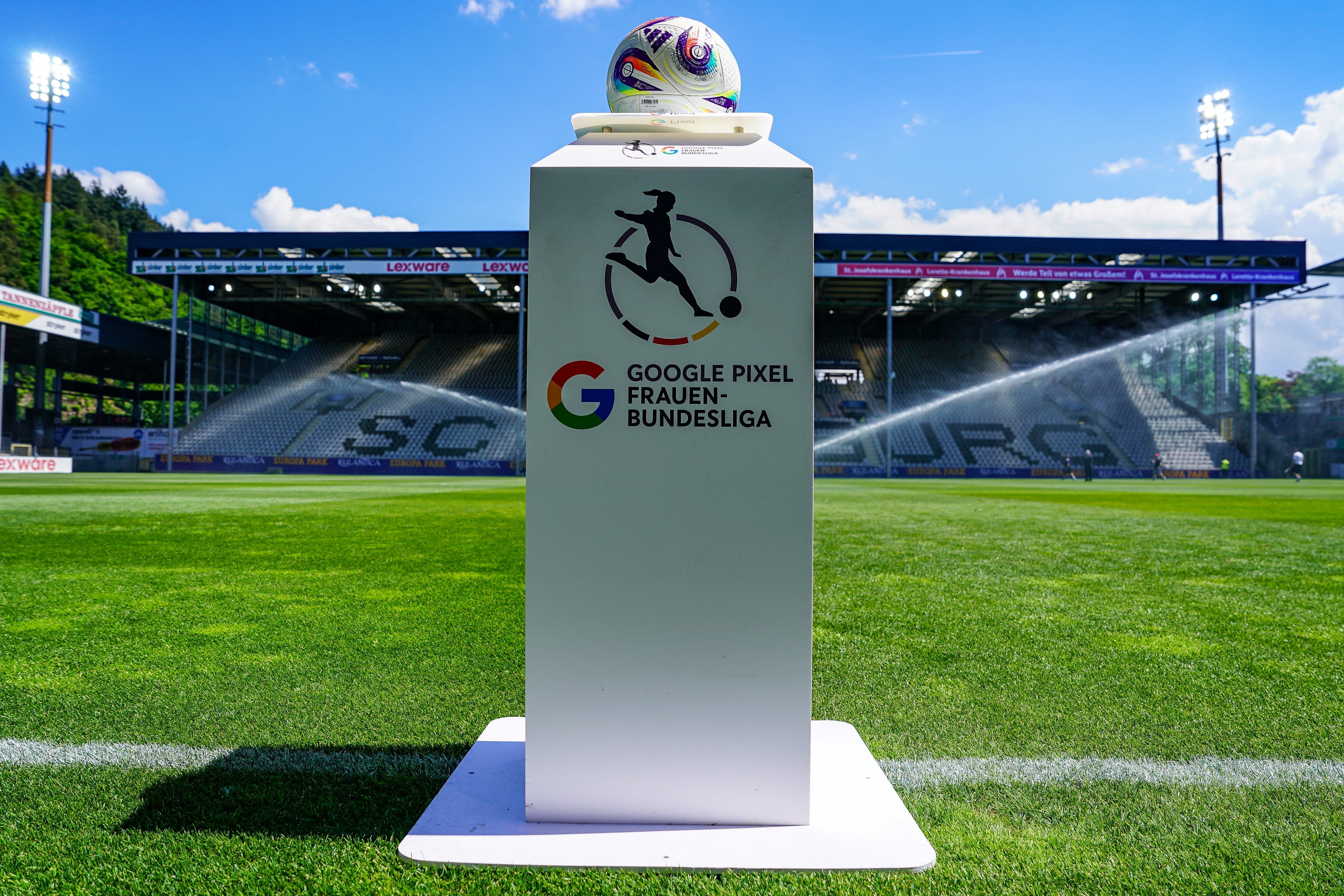
The Frauen-Bundesliga has joined Liga F and England’s Women’s Super League in becoming a self-governing, independent league, albeit on a slightly more temporary basis.
The FBL has agreed a seven-year split with the German Football Association (DFB) after rejecting an offer to run the league as a joint venture. Instead of a permanent split, the FBL and its clubs will run their own operations from July 2027 onwards under a seven-year lease agreement with the DFB, under which the FBL will pay the association a licensing fee.
In return, the DFB will continue to fund refereeing and youth development, compensate clubs for releasing national-team players, and retain responsibility for the German national team, DFB-Pokal Frauen cup competition, and the administration of grassroots women’s and girl’s football.
The FBL will face its first test as an independent entity this autumn, when it seeks to renew its domestic media rights deals from 2027-28 onwards. The league currently has deals with Deutsche Telekom and public broadcasters ARD/ZDF, which are paying just over €6m per season from 2023-24 to 2026-27.
As with Liga F, there will be no guarantee that the FBL can earn a significant amount more for its media rights than at present. German broadcasters are known to have been broadly disappointed by FBL viewership over the past few years, with several sources telling The Cutback that the German media market has partially lost faith in the product of women’s club football, owing to its lack of growth over the past few years.
The FBL will only take Germany’s top women’s football league out of the association’s hands. The 2. Frauen-Bundesliga will remain a DFB property and will continue to be operated by the association.
Player development and trading key to Bay Collective’s Sunderland acquisition
Sixth Street-backed Bay Collective completed the acquisition of a majority stake in Sunderland Women, adding the WSL2 club to a portfolio that previously consisted only of NWSL side Bay FC.
Bloomberg reported during negotiations that Sixth Street was discussing an 80% stake, though the final transaction has only been described publicly as a majority acquisition. Sunderland AFC remains a minority shareholder and the women’s team will continue to operate in partnership with the wider club.
Sunderland spent around a year considering its options before choosing Bay Collective, whose strategy is built around utilising specialist women’s football expertise. Former FA women’s technical director Kay Cossington leads the group, while former England Women general manager Anja van Ginhoven is director of global women’s football operations.
The new owners are thought to be focusing on player trading and development at Sunderland. The group’s interest in the club was directly influenced by the North East of England being a powerhouse for talent production, with Beth Mead, Jill Scott, Steph Houghton and Lucy Bronze all coming through either Sunderland or other clubs in the region.
Bay Collective has identified player development, staff, performance environments, academy structures and infrastructure as priorities, with investment in the Academy of Light a top priority.
The growing women’s transfer market has no doubt influenced this strategy. The Guardian has previously reported that global spending on women’s transfer fees increased by more than 80 per cent year on year during the previous summer window.
Central Coast Mariners sale excludes A-League Women team
Total Soccer Growth Holdings acquired A-League Men’s club Central Coast Mariners in June but excluded the club’s professional women’s team from the transaction.
TSG bought the A-League Men side and the Mariners academy, including its girls’ development programme. A-League administrator Australian Professional Leagues is now trying to find a separate investor for the A-League Women team and wants a solution in place by 31 July.
TSG is the majority shareholder in Queens Park Rangers and has a minority investment in MLS team LAFC. Its Central Coast strategy is based around player development and connecting the Mariners to an international football network.
Chairman Ruben Gnanalingam said professional women’s football was outside the group’s existing expertise and TSG did not believe it should take responsibility for the team without confidence that it could operate it properly.
The deal therefore creates a conundrum. TSG now owns the Mariners’ girls’ development teams, while the professional first team at the end of that pathway will be separately owned. The clubs and league have yet to explain how academy players, registrations and transfer rights will move between the two operations.
The APL is now searching for a buyer for a A-League Women team in a domestic football market that isn’t growing. Average A-League Women attendance fell 26-per-cent in 2024-25, and increased by just seven per cent in 2025-26. At the end of the 2024-25 season, 76% of Women’s A players described themselves as financially insecure and 62% had second jobs outside football.
Durham out of the fire; now in frying pan
Durham Women found a new majority investor in June, 15 days after warning that the club would cease operating at all levels without fresh funding.
Geoff Thompson agreed to acquire a majority stake after Durham said its existing owners could no longer meet the rising cost of professional football in WSL2. The club had been in talks with investors for several months but said it did not have enough money to operate in a fully compliant manner in 2026-27.
Durham has spent almost 20 years building an independent women’s club and has competed in the second tier since 2014. Unlike most of its WSL2 rivals, it does not have a professional men’s parent club covering its losses.
The crisis came as WSL2 continued its move towards fully professional standards. Minimum salaries now range from £17,500 for players aged 18 to 20 to £26,900 for those aged 23 or over, while staffing, wellbeing and operating requirements have also increased.
Euromillions lottery winners Patrick and Frances Connolly acquired a 25-per-cent stake in February 2025 to provide funding for the squad, staffing and infrastructure. Despite that, Durham required an emergency majority investor not even a year and a half later.
New owner Thompson previously spent more than a decade investing in South Shields FC, where the club achieved three consecutive promotions and spent more than £3m on stadium infrastructure. Durham’s founders remain shareholders and the existing executive team will continue to run daily operations.
The club received an outpouring of support during its short search for a saviour, but has put itself firmly in the crosshairs after immediately signing Willie Kirk as the new head coach.
Kirk was sacked by WSL club Leicester two years ago after an investigation into a physical relationship with a Leicester player.


