


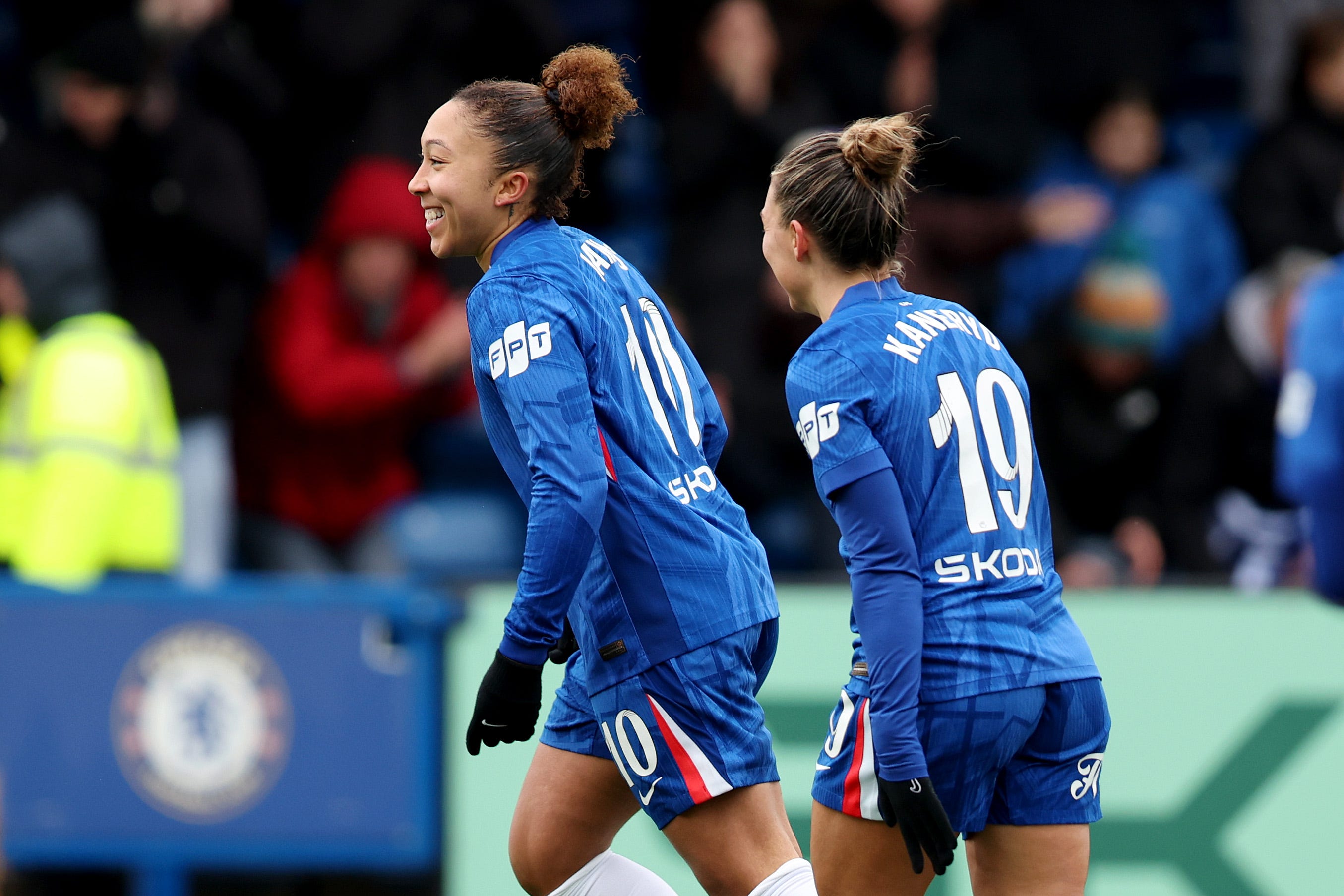
Chelsea entered their clash with Liverpool in an unfamiliar situation.
The WSL title has gone, but the margin for error is still there. Not for the championship, but for Champions League qualification, something they haven’t needed to worry about in a long time.
Liverpool, meanwhile, arrived in good form and with little to lose from a game at Kingsmeadow. The intention to play their style of football and to compete on the ball, rather than retreat into a low block, was clear from the get-go. From the opening minutes, the visitors pressed high, committed numbers forward and tested Chelsea’s ability to build under pressure.
The hosts ultimately secured a deserved 2-0 win, but the path was less straightforward than the final score suggests. For long stretches of the first half, Liverpool were structurally competitive. Chelsea’s superiority emerged more clearly after the break, once fatigue kicked in and individual quality became more of a factor.
A system built on movement
Chelsea’s attacking structure continues to prioritise collective occupation over a traditional centre-forward reference, even after moving on from a 3-5-2 and switching back to a four-defender formation. In possession, they still build through a back three, spreading the centre-backs on either side of the goalkeeper, supported by Keira Walsh. Who more often than not drifts wide for distribution, especially on the right-hand side, while both full-backs hold fairly high positions.
The aim is clear: stretch the pitch laterally, create triangles on the flanks and generate progression through combinations there rather than central play. Even though a direct ball from Hannah Hampton to one of the wingers is always a weapon they know how to use.

