Exclusive: NWSL set to change High Impact Player rule, opening door for more star signings
NWSL preparing change that will see criteria removed from new High Impact Player rule. Change could open door for star players like Sam Kerr to earn salaries over the current cap

The NWSL is set to amend its new High Impact Player (HIP) rule and remove the criteria that players had to meet in order to be signed on special contracts that were $1-million over the league salary cap, The Cutback can reveal.
The HIP rule, which was approved by the league at the end of last year, allows clubs to offer contracts outside of the NWSL’s salary cap limitations. The salary cap for NWSL clubs for the 2026 season is $3.5 million (£2.5 million) per squad.
The Cutback understands that the NWSL is now preparing to amend the HIP rule and remove the criteria that players had to meet, instead clubs could be freely allowed to allocate the money.
At present, in order to be eligible for an HIP contract, a player must meet a specific list of criteria:
Player is on SportsPro Media Top 150 Most Marketable Athletes within the one year prior to the current league season; or,
Player is selected in the Top 30 in Ballon d’Or voting in the two years prior to the current league season; or
Player is selected in the Top 40 of the Guardian Top 100 football players in the world in the two years prior; or
Player is selected in the Top 40 of ESPN FC Top 50 football players in the world in the two years prior; or
Top 11 minutes played for the USWNT in the prior two calendar years for field players for all competition types; or
Top one minutes played for USWNT in the prior two calendar years for goalkeepers for all competition types; or
Player selected as NWSL MVP Finalist within previous the two league seasons; or
Player selected to the End of Year NWSL Best XI First Team within the previous two league seasons.
The criteria that players need to meet to qualify for an HIP contract had been criticised, given it includes commercial as well as sporting conditions. A player only needs to meet one of the criteria in order to qualify for an HIP deal.
When the rule was announced late last year, the NWSL said that it would “regularly review and update the qualifying commercial and sporting criteria”.
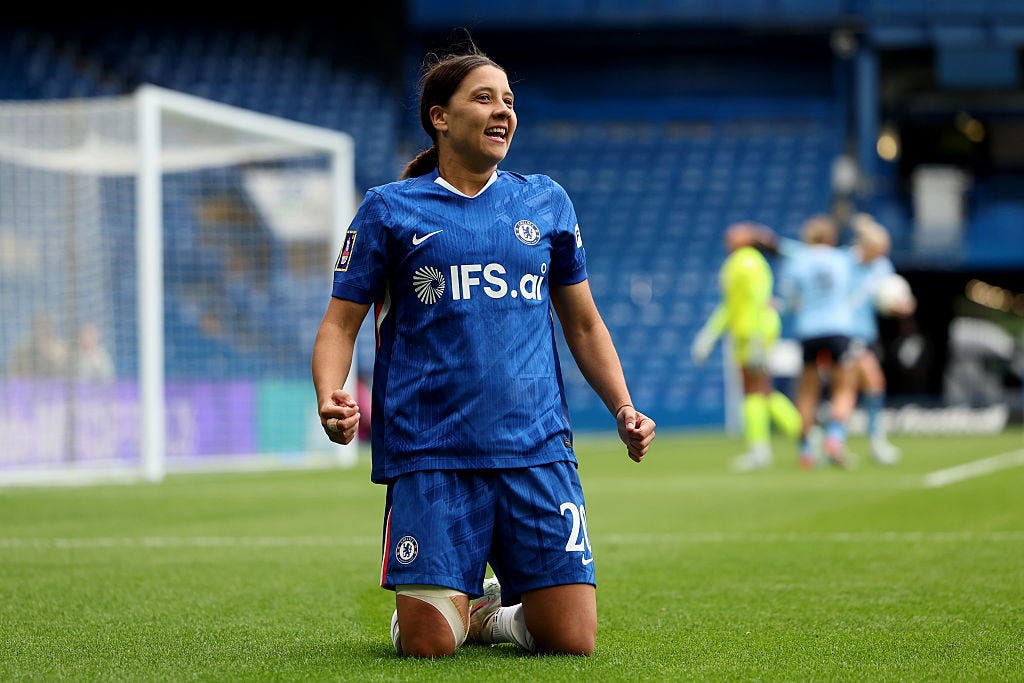
The current iteration of the rule also limits clubs from offering HIP contracts to several high-profile players, including Sam Kerr, who is expected to head to the NWSL when her contract with Chelsea expires at the end of the season.
In a statement to The Cutback, a spokesperson for the NWSL said: “The NWSL regularly evaluates its policies and procedures to ensure they continue to best serve the league, clubs, players and broader ecosystem. We’ll continue working collaboratively with the appropriate stakeholders to assess and inform any potential future updates”.
Also known as the ‘Rodman Rule’, the HIP rule, which comes into effect from 1 July 2026, was born from the high-profile contract negotiations between US star Trinity Rodman and the Michelle Kang-owned Washington Spirit. It was also seen as a response to the uncapped salaries that are on offer from clubs across Europe, and the threat of top talent leaving the league.
In January, Rodman became the first player to sign an HIP contract. She is set to earn $2 million per season across her new three-year deal, according to her representatives.
The HIP rule has already had huge ramifications for deals across the NWSL and it hasn’t come without its controversies and challenges.
In the eyes of Meghann Burke, executive director of the NWSLPA, the new rule runs at odds with the existing collective bargaining agreement (CBA) that the league negotiates with the players union.
The NWSL CBA, signed in 2024 and set to run through 2030, dictates the salary rules, working conditions, standards, as well as other player rights and benefits, that have been agreed between the league owners and the players union.
The HIP rule was not collectively bargained. Instead, in December 2025, the NWSL said in a statement: “Per the terms of the CBA, the NWSL exercised its discretion to establish the High Impact Player roster classification and reduce associated salary cap charges following consultation with the NWSL Players Association.”
Burke has said the HIP rule has created a “parallel pay system outside the salary cap that was never negotiated”. The NWSLPA backs an overall increase in the salary cap and player compensation.


