


The NWSL’s High Impact Player Rule has arguably been one of the biggest stories of the women’s football world in 2026.
The new contract rule, which was approved by the league at the end of last year, allows clubs to offer contracts outside of the NWSL’s salary cap limitations. The salary cap for NWSL clubs for the 2026 season is $3.5 million (£2.5 million) per squad.
Also known as the ‘Rodman Rule’, the change, which comes into effect from 1 July 2026, was born from the high-profile contract negotiations between US star Trinity Rodman and the Michelle Kang-owned Washington Spirit. It was also seen as a response to the uncapped salaries that are on offer from clubs across Europe, and the threat of top talent leaving the league.
Rodman has become the first player to sign an HIP contract, and she is set to earn $2 million per season across her new three-year deal, according to her representatives.
The new rule could have huge ramifications for deals across the NWSL and it hasn’t come without its controversies and challenges.
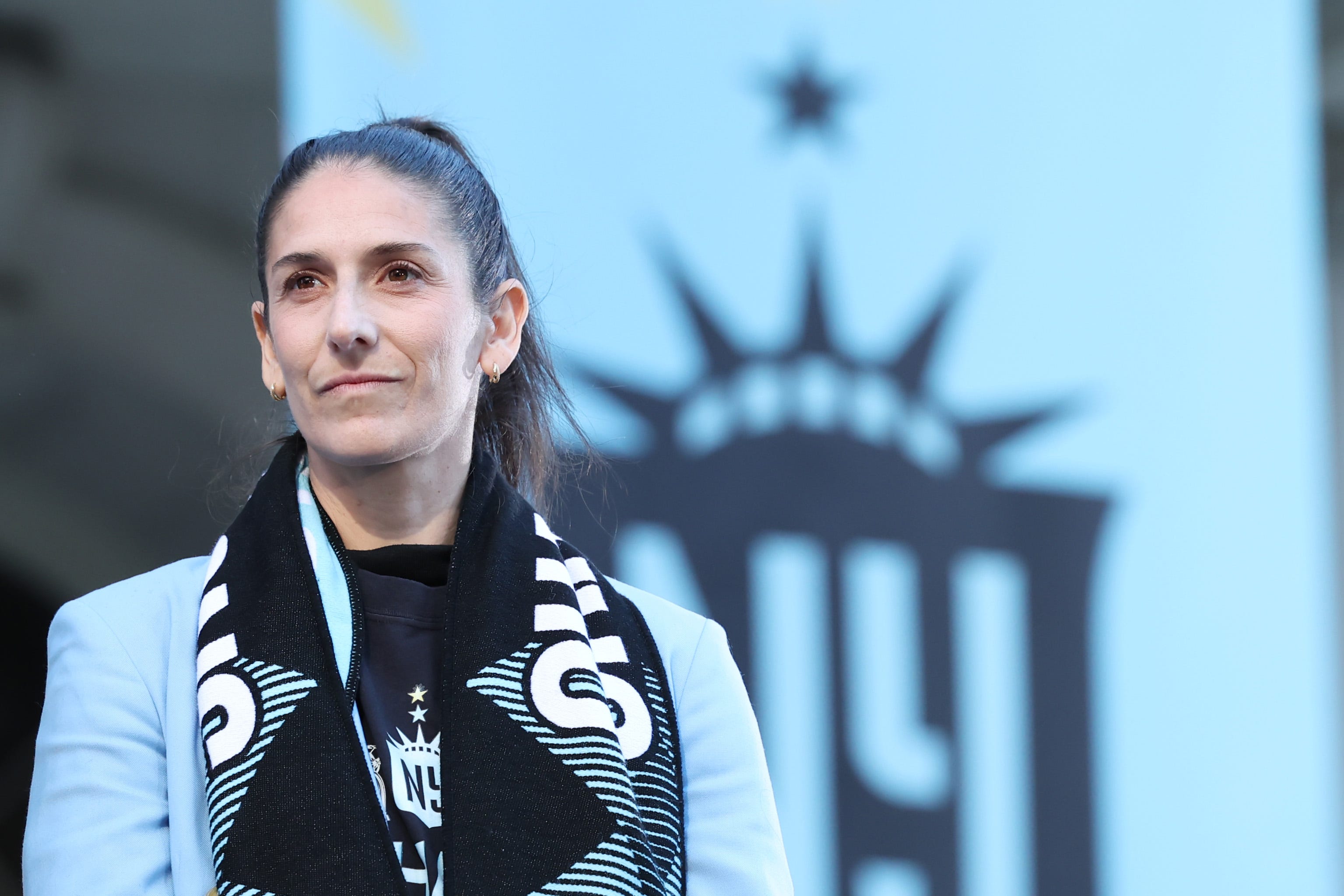
Yael Averbuch, general manager of NWSL side Gotham, is someone who is at the forefront of salary negotiations and recruitment restrictions. Speaking to The Cutback in London, where Gotham finished third in the inaugural Fifa Women’s Champions Cup, she references the opportunity that the new rule brings for any club looking to recruit big stars.
“I don’t get to compete on the field anymore but I’m a very, very competitive person”, she says, “and so the game for me, and my job, is how do I find every ounce of competitive advantage based on the rules, and when the rules change, it’s an even bigger opportunity, because foreseeing changes and adapting to changes and understanding rule changes is something we, at Gotham, take a lot of pride in.”
Gotham already boast a roster stacked full of recognisable stars, including England’s Jess Carter, German goalkeeper Ann-Katrin Berger, and USA’s Rose Lavelle, Midge Purce and Emily Sonnett.
They pulled off a memorable 2025 championship win, coming from an eighth-placed finish in the league, to storm the playoffs and claim the title.
Averbuch adds: “We’re in full excitement puzzle mode, how do we make the most of this for our club? What opportunities does this unlock for us that maybe we wouldn’t have had before? We have an unbelievable roster, I’m so excited by our roster, and this is another mechanism to continue that growth and that competitiveness.
“We’re always going to be pushing the competitiveness of our group and so this is another way we can do it”.
In the eyes of Meghann Burke, executive director of the NWSLPA, the new rule runs at odds with the collective bargaining agreement that the league negotiates with the players union. The CBA dictates salary rules as well as other player rights. Burke has said the HIP rule has created a “parallel pay system outside the salary cap that was never negotiated”. The NWSLPA backs an overall increase in the salary cap and player compensation.
The criteria that players need to meet to qualify for an HIP contract has also been criticised, given it includes commercial as well as sporting conditions. A player only needs to meet one of the criteria in order to qualify for a deal.
On whether Gotham will be using the HIP offer in their recruitment during this NWSL pre-season, Averbuch says its still early days, but the club’s ownership group is willing to spend.
“A key part of when we go through our budgeting process, something at Gotham that I feel very, very grateful for with our ownership support, is that when it comes to the amount that we can spend on our players within the rules, we are ready to optimise every single dollar we’re able to put towards that”, she says. “That is not something to be taken for granted. That’s not something that every team necessarily does.
“That’s something that for Carolyn Tisch Blodgett (Gotham owner and governor) is part of her ethos. So from that standpoint, our conversation is more, how do we optimise what we can spend? It’s still not enough in NWSL to make the rosters that we want to have. And so it’s more how are we going to make sure that we’re making the most of that money? And realistically, obviously we don’t need to spend every dollar. I try to be conscious of that. But the understanding is, we’re going to maximise and optimise based on what we can do”.
