


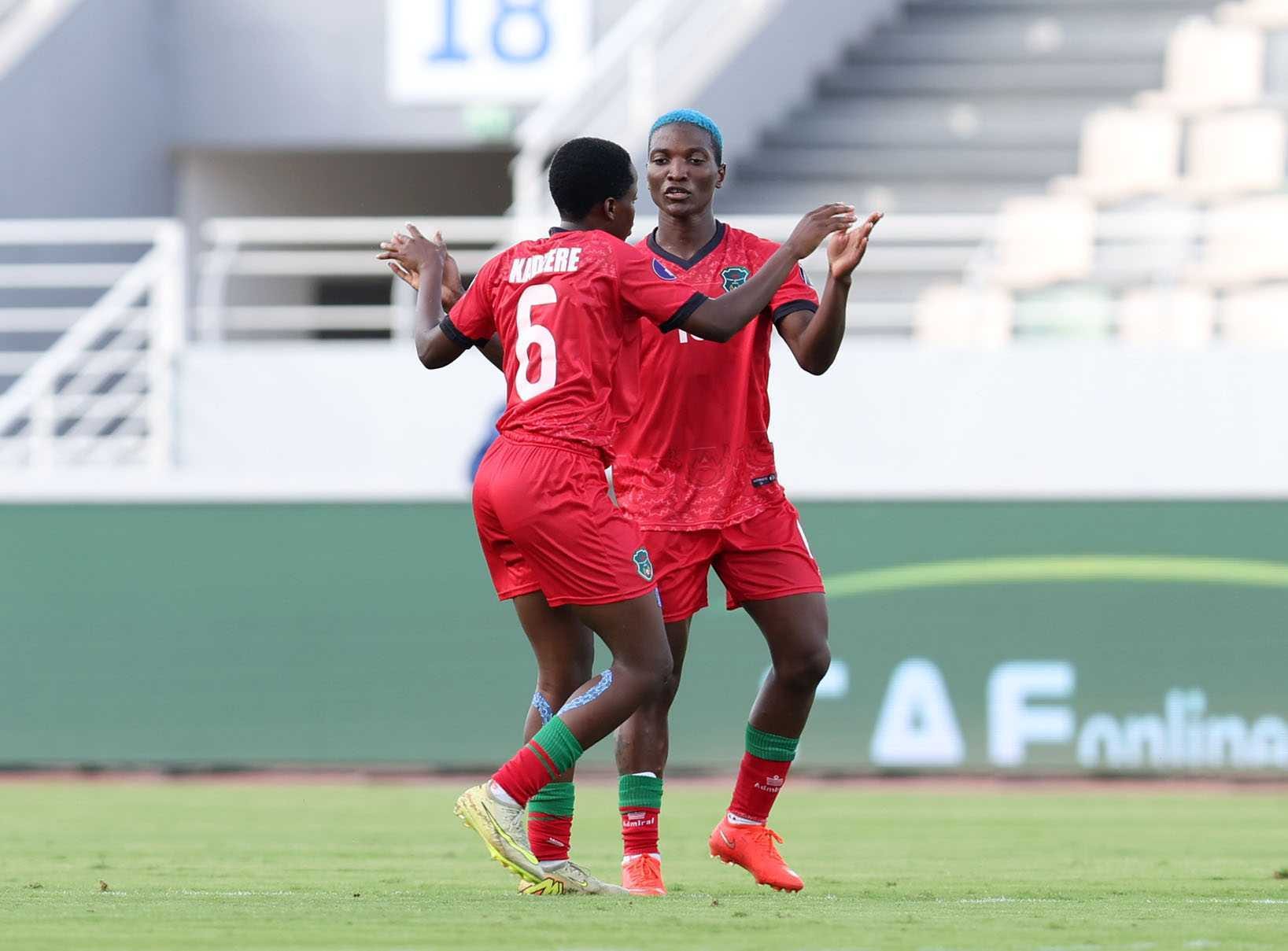
As a team ranked 153rd in the world, Malawi were the biggest underdogs coming into the 2026 Women’s Africa Cup of Nations – at least on paper. But in their very first appearance at a major tournament, the Scorchers not only created history by becoming the lowest-ranked team to qualify for the Women’s World Cup, but also went all the way to the WAFCON final.
This incredible run should not be seen as a fluke. Malawi have shown all the signs of being able to sustain their success, having come to the tournament with the third-youngest squad in terms of average age. More importantly, they have proven that their homegrown players are capable of raising their levels to meet the best of the world’s best, and have also established pathways for young talents to continue developing further.
The role of Ascent Soccer
One of the key drivers behind Malawi’s success has been the Ascent Soccer Academy. Based in the capital, Lilongwe, the academy offers a residential program to youngsters from around the country, who are selected through scouting trips and tournaments.
Four Ascent graduates were in the starting XI of the history-making team that defeated Ghana in the quarter-finals to earn a World Cup ticket. Among them was 20-year-old midfielder Leticia Chinyamula, who still represents Ascent in the domestic top-flight league.
Asked about the academy’s role in her development, she said: “We are showing a real hard-working spirit from the academy, so I can say that the academy has really helped us to reach where we are.”
The Cutback spoke to Ascent Soccer co-founder George Maguire, who spent over a decade in Malawi. His contributions to Malawian football include playing a part in Tabitha Chawinga’s groundbreaking transfer to Sweden, as well as helping set the academy up from scratch in 2014.
“We started with 300 pounds, a lot of motivation, 10 footballs, and an idea,” he recounted.
The initial years, Maguire said, were full of challenges and lessons learned. “Families would look at it rightly and question, is this the right thing for my daughter? Would she be better off staying in school? Is football the sport she should be playing?’”

