


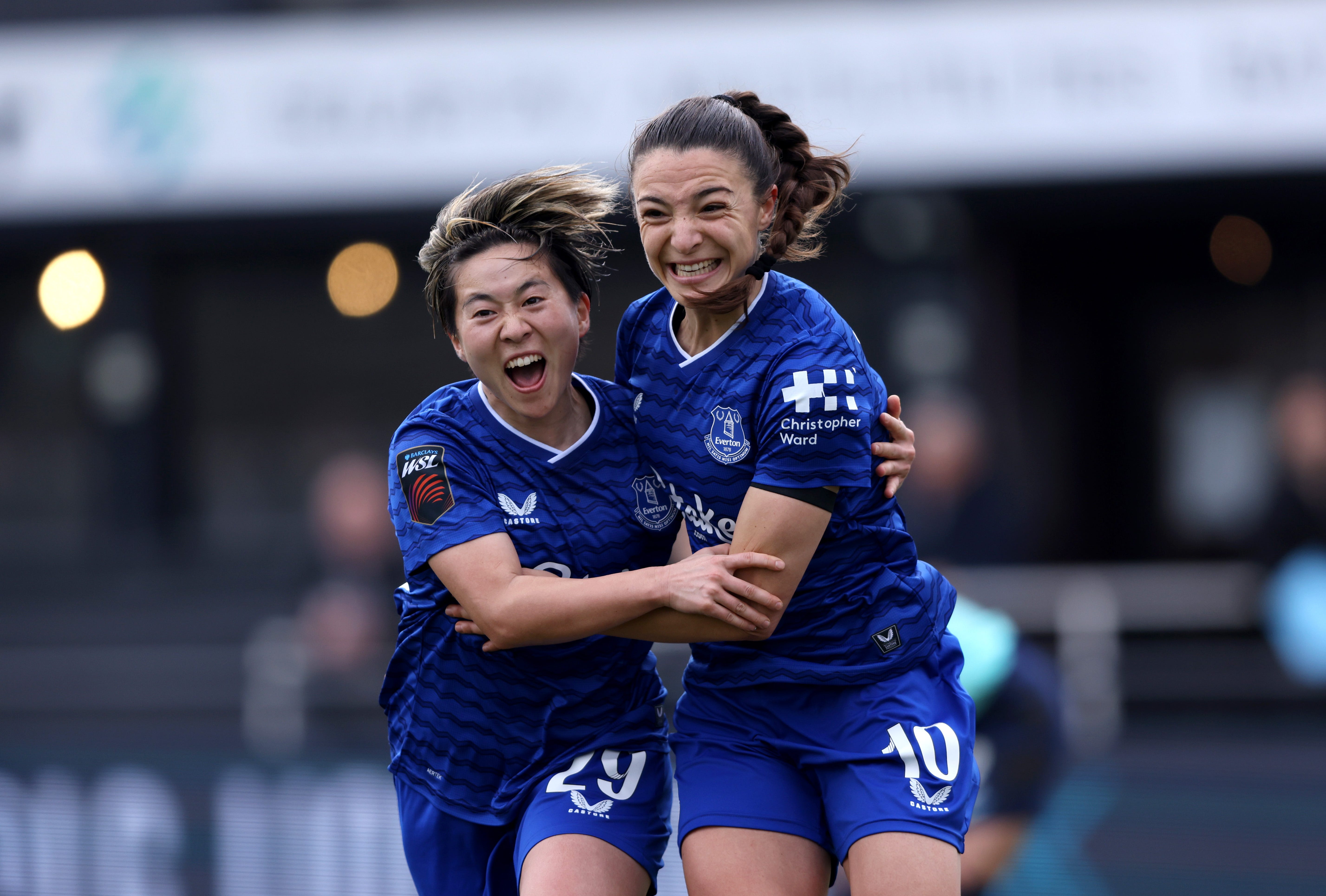
Sacked just days after delivering Everton’s first home win of the season, the timing of Brian Sorensen’s departure on 4 February raised more than a few eyebrows. If the 2-1 victory at Goodison Park against Aston Villa was meant to buy time, it did anything but.
Sorensen’s exit had long felt possible this season; three wins, nine losses and two draws across 14 league games told their own story, but the decision to act immediately after a morale-boosting home win left many confused. That win moved the Dane onto 11 home victories across his 101 games in charge, a figure that in many ways underlines the deeper issues that have persisted throughout his tenure. Paramount among them: inconsistency, a trait that has come to define this Everton side.
Across Sorensen’s spell from the 2022-23 season, Everton’s league finishes suggested surface-level stability, sixth in his first season followed by successive eighth-place finishes in 2023-24 and 2024-25. Yet persistent first-team injuries and a lack of sustained rhythm have left the team short of attacking fluency and defensive assurance.
While there is no single explanation for the timing of Sorensen’s dismissal, Everton’s recent trajectory offers an early lens through which to assess the decision. Now unbeaten in three consecutive league matches for the first time since December 2022-January 2023, the Toffees sit eighth and eight points clear of the relegation play-off place, a margin that stood at just four when the Dane departed.
We dive into the tactics and underlying numbers behind Everton’s recent performances, looking beyond the upturn in results under interim manager Scott Phelan to assess how much genuine progress has been made in just under a month.
Limits of Sorensen’s model
If Everton’s third win of the season against Aston Villa on 2 February highlighted anything, it was that moments of magic cannot sustain a campaign.
Under Sorensen, Everton’s campaign oscillated between the mostly underwhelming and improbable, poisoned with inconsistency and instability.
A strong 4-1 opening-day win over Liverpool was followed by an eight-game winless run, dragging the Toffees into an unexpected relegation battle. A shock 1-0 victory away at Chelsea, which ended their opponents historic 34 game unbeaten league run, came with just 21% possession, six passes into the box and 16 passes in the final-third, the lowest totals recorded across all teams in a single game this season. Nonetheless, it demonstrated how effectively Everton could defend deep, counter and be clinical. Yet that performance proved the exception rather than the blueprint.

Sorensen’s Everton conceded 26 goals in 14 WSL games, kept just one clean sheet and faced 217 shots, totals surpassed only by West Ham. They failed to create a big chance in six matches, the second-highest figure in the division, while six individual errors directly led to goals, more than any other side.
The approach increasingly felt laboured and ill-suited to a squad reshaped by nine summer signings and again disrupted by injuries to striker Katja Snoeijs, captain Megan Finnigan, winger Kelly Gago and left-back Maz Pachecho to name a few. In turn, Sorenson’s system did not adapt to the personnel available; it instead lacked flow and a consistent starting XI, while being hampered by constant defensive mistakes that left Everton increasingly vulnerable.
The situation deteriorated further in January. A 1-0 defeat to Brighton extended Everton’s winless home league run at Goodison Park to seven matches. Days later, wins for West Ham and Liverpool, dragged them firmly into a relegation conversation few had anticipated at the season’s outset.
Expectations at the start of the season, fuelled by significant recruitment and visible club investment, have inevitably amplified the sense of underachievement as the Toffees appeared to have assembled a squad capable of pushing beyond a relegation battle.

